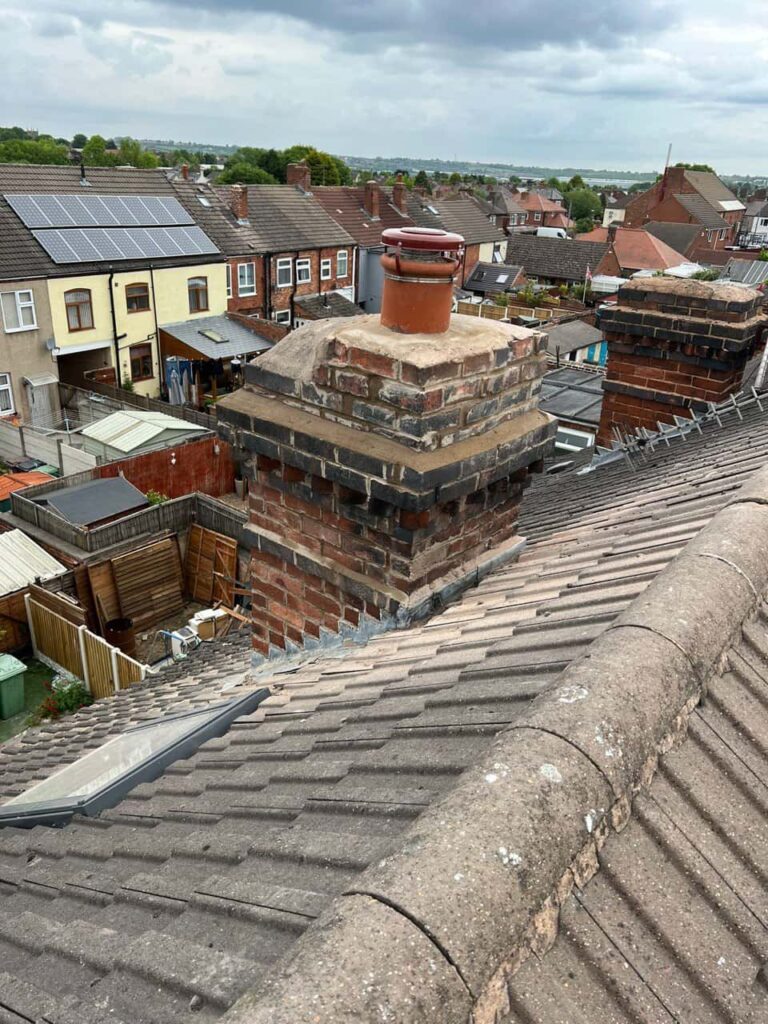
The British weather can be unpredictable, and properties in South Normanton, Derbyshire often face the full force of seasonal storms. High winds, heavy rain, and flying debris take their toll on roofing materials, even when the surface appears to have survived the initial impact.
Storm damage rarely shows all its effects straight away—much of the deterioration happens gradually. Understanding how storms weaken your roof over time helps homeowners take preventative action before more extensive problems develop. South Normanton Roofing Repairs supports local homeowners by identifying hidden storm damage early and restoring roofs to a safe, reliable condition.
Why Storm Damage Isn’t Always Immediately Visible
After a storm, most people look for obvious signs of damage—missing tiles, leaks, or debris on the ground. But the issues that cause long-term deterioration often begin subtly.
Moisture can seep into small gaps, flashing may become slightly lifted, or tiles may shift out of place. These minor changes weaken the roof structure slowly, making the next period of bad weather even more damaging.
The Effects of Wind on Your Roof
Strong winds are one of the most common causes of roofing issues. Even if the roof remains intact, wind can disrupt tiles and weaken fixings in ways that are not immediately noticeable.
Tile Lifting and Displacement
Wind can lift tiles just enough to break their seal or loosen their fixing points.
Over time, these loosened tiles allow wind-driven rain to penetrate beneath the surface, leading to damp, rot, and structural weakening.
Stress on Ridge and Hip Tiles
Ridge and hip tiles face the highest wind pressure. Even slight movement can create small entry points for water, eventually affecting the interior roof structure.
Damage to Flashing and Roof Edges
Wind often lifts flashing around chimneys, dormers, and roof joins. This damage worsens gradually as water and debris force their way underneath the protective layer.
How Heavy Rain Contributes to Long-Term Damage
While roofs are designed to handle rain, storm-level rainfall pushes the limits of even the best roofing systems.
Water Penetration Through Small Gaps
Storm rain hits the roof with more force and volume. Even tiny weaknesses allow water to get into the roof layers, causing slow but serious deterioration.
Saturation of Roof Materials
Repeated storms can leave tiles, underlay, and battens constantly damp. Persistent moisture leads to weakening of the underlying structure and increases the risk of mould, rot, and internal leaks.
Increased Strain on Gutters and Drainage
Blocked or overloaded gutters cause water to run back towards the roofline. This long-term backflow gradually damages fascia boards, soffits, and the lower sections of the roof.
The Impact of Hail and Debris
Storms often bring hail or flying debris such as branches, loose tiles, or other objects.
Surface Cracks and Chips
Even small impacts can create tiny cracks in tiles, causing them to weaken over time as water enters and freezes, expanding the damage.
Hidden Breaks Beneath the Surface
Not all damage is visible from the ground. A seemingly intact roof tile may have internal fractures that worsen each time the weather changes.
Why Long-Term Storm Damage Is a Serious Risk
A roof weakened by storms becomes more vulnerable with each passing season. What begins as a small issue can eventually lead to:
- Internal damp patches
- Structural timber decay
- Increased heat loss
- Mold and moisture problems in loft spaces
- Larger, more costly repairs later
South Normanton Roofing Repairs regularly sees cases where storm-related deterioration has developed quietly for months before becoming noticeable. Addressing the early signs protects the entire home from avoidable damage.
Early Warning Signs to Watch For
Homeowners in South Normanton should monitor their roofs after periods of bad weather. Some early indicators of storm-related weakening include:
- Loose or slightly lifted tiles
- Debris on the driveway or garden
- Damp patches appearing after rain
- Whistling or draughts in the loft
- Sagging or uneven roof areas
- Overflowing gutters during storms
- Mortar cracking around chimneys
- Moss gathering in unusual patches
These symptoms often point to underlying issues that will worsen if ignored.
Why Professional Roof Inspection Matters
Storm damage is not always easy to identify without specialist knowledge.
A professional inspection provides a detailed assessment of the entire roof structure, ensuring hidden issues—such as lifted underlay, weakened fixings, or damaged flashing—are detected early.
South Normanton Roofing Repairs offers experienced support to help homeowners protect their roofs and prevent future deterioration.
How Timely Repairs Protect Your Property
By addressing storm damage quickly, homeowners maintain the strength, durability, and weather resistance of their roof. Professional repairs ensure that:
- Weak tiles are resecured
- Damaged flashing is replaced
- Loose components are reinforced
- Water entry points are sealed
- The roof structure remains solid and dependable
Timely attention reduces the likelihood of recurring problems and ensures your roof withstands future storms with far greater resilience.
Conclusion
Storm damage does far more than cause immediate, visible issues—it gradually weakens roofing materials, shortens their lifespan, and creates vulnerabilities that worsen over time. For homes in South Normanton, Derbyshire, understanding how storms affect the roof helps homeowners act before serious damage occurs.
With expert assistance from South Normanton Roofing Repairs, you can identify hidden storm-related issues early, strengthen your roof, and protect your home from future weather challenges.
Call us on: 01773 308 996
Click here to find out more about South Normanton Roofing Repairs
Click here to complete our contact form and see how we can help with your roofing needs.