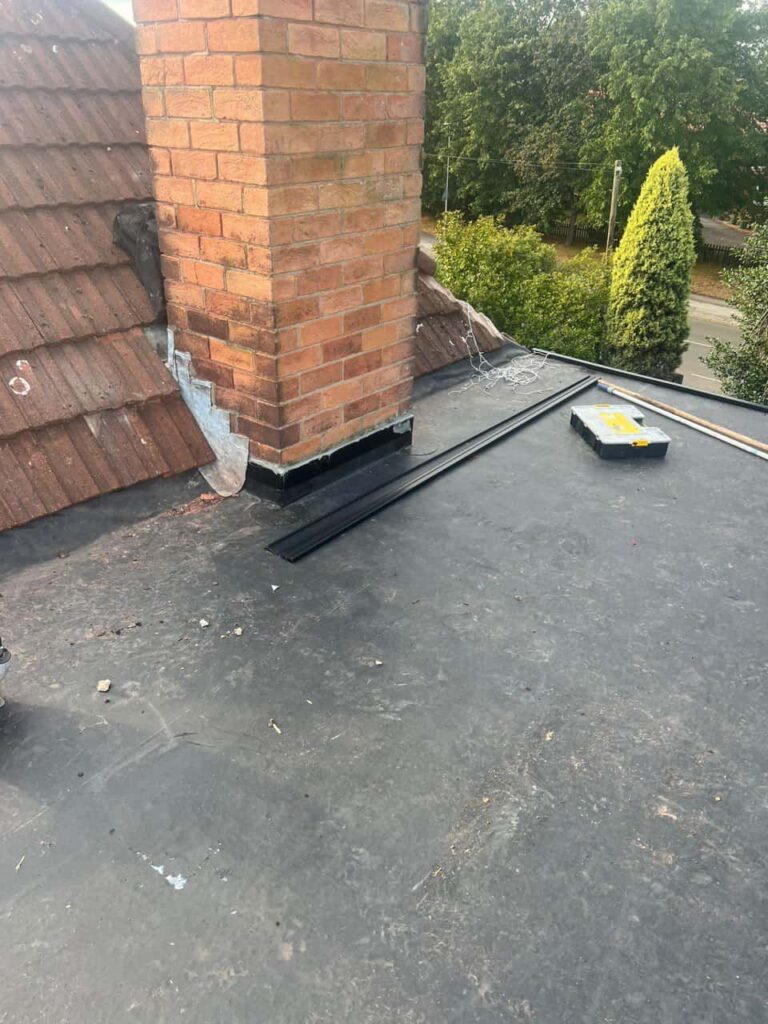
A chimney is exposed to wind, rain and changing temperatures throughout the year, making it vulnerable to gradual wear and damage. Problems such as cracked mortar, loose bricks and defective flashing can affect its stability and allow water to enter the roof structure. Recognising these issues early can help homeowners arrange appropriate chimney repairs before the damage becomes more extensive.
For property owners in South Normanton, Derbyshire, regular checks of the chimney and surrounding roof area can help identify developing problems. Whether a chimney is still in use or no longer serves its original purpose, maintaining its condition is important for the safety and protection of the property.
Common Chimney Problems That Require Attention
Chimney defects can affect the masonry, the weatherproofing around the base and the components at the top of the structure. Some problems are visible from the ground, while others require a closer professional inspection.
Cracked or Deteriorating Mortar
Mortar holds the bricks or masonry units together. Over time, exposure to weather can cause it to crack, crumble or recede from the joints.
Damaged mortar can allow rainwater to penetrate the chimney structure. When moisture enters the masonry and temperatures fluctuate, further deterioration may occur. If left untreated, weakened joints can affect the stability of the chimney.
Repointing involves removing deteriorated mortar from the joints and replacing it with suitable new mortar. The work should be carried out carefully to protect the surrounding brickwork and maintain the integrity of the structure.
Loose, Cracked or Damaged Bricks
Bricks can become damaged through prolonged moisture exposure, ageing and movement within the masonry. Cracks, loose sections or missing pieces of brickwork may indicate that repairs are needed.
These defects should not be ignored, particularly if the damage appears near the top of the chimney or affects several areas. Loose masonry can present a falling-material hazard, so keep clear of the affected area and arrange a professional assessment.
Depending on the extent of the damage, repairs may involve replacing individual bricks, restoring mortar joints or addressing a more extensive section of masonry.
Faulty Chimney Flashing
Chimney flashing forms a weatherproof junction between the chimney and the roof covering. If it becomes loose, cracked or poorly sealed, rainwater can enter the roof space.
A leaking chimney does not always produce damp directly beside the chimney breast. Water may travel along roof timbers or other internal surfaces before becoming visible on a ceiling.
Professional chimney repairs can include checking the flashing, surrounding roof materials and adjoining masonry to identify the source of water ingress. Repairing the actual point of entry is essential to reducing the risk of recurring leaks.
Damaged Chimney Caps and Flaunching
The top of a chimney is particularly exposed to the elements. The mortar bed around the chimney pots, often called flaunching, helps secure them in place and sheds water away from vulnerable areas.
If flaunching cracks or breaks apart, water may enter the masonry and chimney structure. Damaged or missing chimney caps can also allow rain and debris to enter where protection is required.
A professional inspection can establish whether the affected components need repair or replacement and whether other parts of the chimney have also been damaged.
Damp Patches Around the Chimney Breast
Damp marks on ceilings, upper walls or around a chimney breast may indicate water entering through defective masonry, flashing or the chimney top. However, condensation and other building defects can produce similar symptoms.
It is important to identify the cause before carrying out repairs. Treating the visible damp without addressing the source may allow the problem to return.
A roofing specialist can inspect accessible external areas and look for defects that may be allowing moisture into the property.
When Should You Arrange Chimney Repairs?
Chimney repairs should be considered when you notice crumbling mortar, cracked bricks, loose masonry, damaged flashing or recurring damp around the chimney. Visible changes to the chimney’s shape or signs that components have become unstable require prompt attention.
It is also sensible to arrange an inspection if the chimney has not been checked for a long time, particularly following severe weather. Do not climb onto the roof or attempt to remove loose masonry yourself, as chimney work can involve significant risks.
If the chimney is used for a fire or heating appliance, masonry repairs alone may not resolve problems with the flue or ventilation. These components may require assessment by an appropriately qualified specialist.
How Professional Chimney Repairs Help Protect Your Roof
Chimney repairs should address both the visible damage and the underlying cause. Replacing damaged mortar without checking the flashing, for example, may not stop a leak if water is entering through the roof junction.
South Normanton Roofing Repairs can assess chimney and related roofing problems in South Normanton, Derbyshire, helping homeowners identify suitable repair work. Depending on the findings, this may include repointing, repairing damaged masonry, addressing flashing defects or restoring weatherproofing around the chimney.
A thorough assessment helps determine the extent of the problem and whether localised repairs are appropriate. Addressing defects promptly can help protect the surrounding roof and reduce further deterioration.
Conclusion
Cracked mortar, damaged bricks, faulty flashing and deteriorating chimney tops are common problems that may require professional attention. Early identification can help prevent water ingress, limit masonry deterioration and reduce the risk associated with loose components.
For homeowners in South Normanton, Derbyshire, keeping the chimney in good condition is an important part of maintaining the roof and protecting the property.
If you have noticed signs of chimney damage or suspect a leak around the chimney, contact South Normanton Roofing Repairs to discuss your concerns and arrange a professional assessment.
Call us on: 01773 308 996
Click here to find out more about South Normanton Roofing Repairs
Click here to complete our contact form and see how we can help with your roofing needs.